
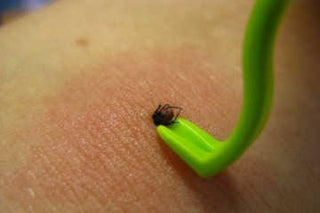
One of the most common tick removal myths is that twisting a tick helps it come out more easily. In reality, twisting a tick during removal can increase the risk of breakage and make removal more difficult — not safer.
Understanding why twisting a tick is wrong is key to practicing safe tick removal and reducing potential health risks.
Why Twisting a Tick Is Wrong
Ticks don’t sit loosely on the skin. When a tick bites, it inserts its mouthparts into the skin and anchors itself in place.
Twisting a tick can:
-
Cause the tick’s body to separate from its mouthparts
-
Leave parts of the tick embedded in the skin
-
Increase irritation at the bite site
-
Complicate proper removal
Instead of releasing the tick, twisting often increases the chance that removal will be incomplete.
How Tick Mouthparts Work
Tick mouthparts are designed to grip firmly. They are barbed and embedded straight into the skin, acting like tiny hooks.
Because of this structure:
-
Twisting does not “unscrew” the tick
-
Rotating pressure can cause the body to break off
-
A straight, steady pull is more effective
This is why proper technique matters when learning how to remove a tick correctly.
The Right Way to Remove a Tick
For safe tick removal, the goal is simple: remove the tick fully, without squeezing or twisting.
The safest approach is to:
-
Grasp the tick as close to the skin as possible
-
Apply steady, even pressure
-
Pull straight upward
Using a purpose-built tool makes this process easier and more controlled.
Why the Right Tool Matters
Improvised methods or incorrect techniques increase the risk of breakage. A proper tick removal tool is designed to apply controlled pressure at the right angle.
TiCK SiDEKiCK is designed specifically for safe tick removal:
-
Two removal options for different tick sizes
-
Controlled, straight pull — no twisting required
-
Built-in flashlight for visibility during removal
-
Compact and keychain-ready, so it’s always accessible
-
Safe for use on both people and pets
Using the right tool helps ensure the tick is removed cleanly and completely.
Frequently Asked Questions
Does twisting help remove a tick?
No. Twisting increases the risk of the tick breaking and leaving mouthparts embedded in the skin.
What happens if a tick breaks during removal?
If part of the tick remains embedded, it can cause irritation and make the area harder to clean properly.
What is the safest way to remove a tick?
The safest method is a straight, steady pull using a proper tick removal tool.
Why shouldn’t I use my fingers or household tools?
These methods often squeeze or crush the tick, increasing the chance of improper removal.
Safe Tick Removal Starts with the Right Approach
When it comes to ticks, technique matters. Twisting isn’t helpful — and can make things worse.
Knowing how to remove a tick correctly and keeping a reliable tool on hand is one of the simplest ways to protect yourself and your pets.
SiDEKiCK makes safe tick removal straightforward — no twisting required.


