
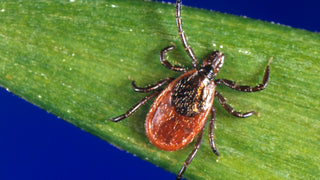
You’ve probably heard of Lyme disease — but there’s another tick-borne illness quietly making its way into the spotlight: Powassan virus. It’s rare, but it’s serious, and unlike Lyme, there’s no treatment or vaccine once you’re infected.

Named after a small town in Ontario where it was first discovered, Powassan virus has recently been found in ticks across parts of the Northeast and Great Lakes regions. And while it’s not as common as Lyme, health officials are keeping a close eye on it — because when it strikes, it can strike hard.
Why Powassan Is So Concerning
The biggest difference between Lyme and Powassan comes down to speed and severity. Lyme bacteria typically need 24 to 48 hours to transmit after a tick bite. Powassan virus? It can pass to humans within 15 minutes of attachment.
Once infected, symptoms can start within a week and may include fever, headache, vomiting, or confusion. In severe cases, the virus can cause encephalitis (brain inflammation) or meningitis, leading to long-term neurological effects.
How to Stay Protected
Because there’s no cure, prevention is everything. Ticks carrying Powassan virus are most active from late spring through early fall, especially in wooded or grassy areas. Protect yourself, your pets, and your peace of mind by:
-
Wearing protective clothing outdoors
-
Checking for ticks daily — on yourself, kids, pets, and gear
-
Keeping grass and brush trimmed around homes and barns
-
Using a TiCK MiTT after outdoor time to quickly remove any loose ticks before they attach
It takes seconds — and could make all the difference.

The Bottom Line
Powassan virus might not be as well-known as Lyme, but it’s a growing reminder of how important tick awareness really is. Staying alert, checking often, and keeping a TiCK MiTT within reach after every outdoor adventure are simple steps that help you stay one step ahead of the bite.


