
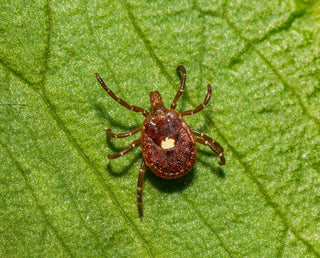
A single tick bite can totally rewire your relationship with food. Alpha-gal syndrome, or AGS, is a tick-borne condition that causes some people to develop a serious allergy to red meat, dairy, and other mammal products – and it’s spreading fast enough that as of April 1, 2026, Massachusetts made it a reportable public health condition. If you’ve never heard of it, you’re in the majority… which is part of the problem.
What alpha-gal syndrome actually is
AGS is caused by a bite from the lone star tick, which is the primary carrier in the United States. The tick’s saliva contains a sugar molecule called galactose-alpha-1,3-galactose (alpha-gal for short) which is also found in the tissue of most mammals, including cows, pigs, and lambs. In some people, that bite triggers the immune system to produce antibodies against alpha-gal. Once that happens, eating red meat, dairy, or products made with mammalian ingredients – like gelatin capsules or vaccines – can set off an allergic reaction.
What makes AGS unusual, and harder to diagnose, is timing. The Massachusetts Department of Public Health’s Dr. Catherine Brown has explained that sensitization itself isn’t immediate. This processing can take anywhere from weeks to months after the tick bite itself/ Once someone is sensitized, the reaction to a meal doesn’t show up right away either, like a typical allergic reaction. AGS’s symptoms, such as hives, gastrointestinal distress, or anaphylaxis, often don’t appear until several hours after eating. The gap between the symptoms and eating is why so many people remain undiagnosed: it’s hard to connect your work lunch on a Tuesday afternoon to a late night trip to the ER.
Why this is becoming urgent in 2026
AGS isn't a rare curiosity anymore — it's accelerating. On Martha's Vineyard, positive alpha-gal test results jumped from just two five years ago to more than 500 last year. Cases on Cape Cod are following the same trajectory, prompting Massachusetts health officials to start requiring doctors to report AGS cases starting this April, joining more than a dozen other states with similar mandates. Nationally, researchers at VCU Health and Virginia Commonwealth University found a roughly 100-fold increase in positive alpha-gal antibody tests between 2013 and 2024. The CDC estimates that about 450,000 Americans may have AGS without knowing it, and some allergists believe the real number is higher still, since the condition still isn't tracked as a nationally notifiable disease the way Lyme disease is.
Part of why cases are slipping through the cracks is a knowledge gap among clinicians themselves. Surveys have found that a majority of health care providers report having little to no working knowledge of alpha-gal syndrome, which means many patients spend months – sometimes years – cycling through unexplained allergic reactions before anyone thinks to test for it. In practice, that often means the patient has to be the one to raise AGS as a possibility and ask for the right test, rather than waiting for a diagnosis to arrive on its own.
How alpha-gal syndrome is diagnosed
Diagnosis typically involves a blood test that checks for alpha-gal-specific IgE antibodies, which is sometimes paired with a skin allergy test and a review of symptoms tied to eating mammalian products. It's possible to test positive for the antibody without ever developing symptoms, which is why doctors look at the lab result alongside a patient's actual reaction history before confirming a case. If you've had unexplained hives, stomach pain, or a severe reaction hours after a meal, especially if you live in or have visited a lone star tick habitat in the Northeast, Midwest, or South, it's worth asking a doctor specifically about alpha-gal testing rather than waiting to be offered it.
Living with alpha-gal syndrome
There's currently no cure for AGS, however, management centers on avoiding red meat, dairy, and other mammal-derived products, sometimes including certain medications and personal care items that contain gelatin or tallow. Reactions are managed with antihistamines for mild symptoms and epinephrine for severe ones. Some people find that after a year or two of strict avoidance, their sensitivity fades enough to reintroduce small amounts of these foods without a reaction, but that varies significantly from person to person, and reintroduction should be guided by an allergist rather than trial and error at home.
The bottom line
Alpha-gal syndrome is a preventable, testable, manageable condition – but only if it gets caught. With lone star tick populations expanding and case numbers climbing sharply in the Northeast, awareness and early testing matter more this year than ever. If you've had a strange, delayed reaction after eating meat, don't wait for your doctor to bring it up first.
Frequently Asked Questions
What is alpha-gal syndrome caused by? It's caused by a bite from a tick – most commonly the lone star tick in the U.S. – whose saliva contains a sugar molecule that can trigger the immune system to react to red meat and other mammal products.
How long after a tick bite do alpha-gal symptoms start? Sensitization to alpha-gal can take weeks to months to develop after the bite itself. Once someone is sensitized, an allergic reaction to a meal typically appears several hours after eating, not immediately.
Can alpha-gal syndrome go away? Some people become less sensitive over time after strictly avoiding mammalian products for a year or two, but this varies by individual and should be managed with an allergist rather than attempted alone.
What foods do you have to avoid with alpha-gal syndrome? Red meat like beef, pork, and lamb are the main triggers, but dairy products, gelatin, and some medications or vaccines made with mammalian ingredients can also cause reactions in more sensitive individuals.
Is alpha-gal syndrome becoming more common? Yes. Health officials in Massachusetts and other states have reported sharp increases in cases in recent years, driven largely by the expanding range of the lone star tick, and case counts are widely believed to be undercounted nationally.
How is alpha-gal syndrome diagnosed? Diagnosis generally involves a blood test for alpha-gal-specific IgE antibodies, often combined with a review of symptoms and sometimes a skin allergy test.
Sources: Massachusetts Department of Public Health via GBH News; The Boston Globe; VCU Health; Axios/CDC.


