
Short answer: in many regions, yes. Warmer winters, earlier springs, and longer humid periods keep ticks active well beyond summer—turning “tick season” into a near year-round concern.
Why tick season keeps stretching
-
Milder winters = more survivors. Fewer deep freezes mean more ticks live through winter.
-
Earlier thaws = earlier activity. A head start in spring increases encounters.
-
Long, humid shoulder seasons = longer questing. Moisture keeps ticks active into late fall and on mild winter days.
Takeaway: Late-season hikes and mild winter days still carry risk.
Regional outlooks
-
Northeast & Midwest: Blacklegged (deer) ticks thrive with extended fall activity.
-
Southeast: Lone star ticks are active most of the year.
-
West: Habitat shifts after drought and land-use changes are expanding range.
Bottom line: Ticks are adapting to local climate and habitat. Your routine should adapt, too.
What to change in your routine
-
Do regular tick checks on yourself, kids, and pets—even in cooler months.
-
Yard basics: trim grass, clear leaf piles, and manage brushy edges.
-
Trail choices: stay centered on paths; avoid tall grass and overgrown edges.
-
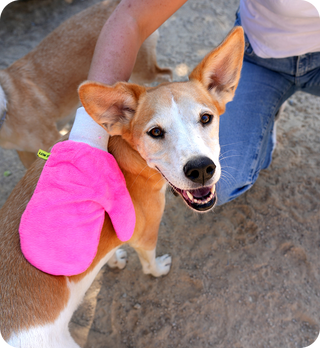
Remove loose ticks before they bite: after time outdoors, sweep with TiCK MiTT over clothing, skin, and pet fur; if attached, use fine-tipped tweezers to pull straight out.
Some Frequently Asked Questions:
Are ticks worse this year?
In many areas, yes. Warmer winters, earlier springs, and longer humid periods extend tick activity beyond summer.
Do ticks die off in winter?
Not always. Many survive mild winters and become active on warm winter days.
What temperature keeps ticks active?
Around 40°F and above keeps many species moving.
How do I lower my risk?
Do regular tick checks, keep yards tidy, stay centered on trails, and remove loose ticks from clothing, skin, and pet fur after time outside.


