

Finding a tick attached to your skin can leave you with a lot of questions, even after you get it off. Should you save the tick? Can you have it...
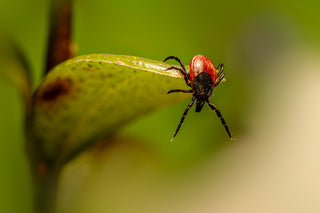
If you have ever read about Lyme disease or tick testing, you have probably seen the name Borrelia burgdorferi. But what exactly is it, and why does it matter after a...
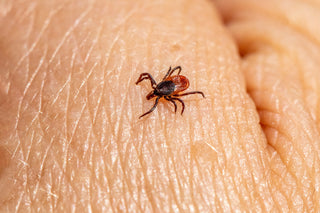
Not every tick can transmit Lyme disease. In the United States, Lyme disease is primarily spread through the bite of infected blacklegged ticks. Which ticks can spread Lyme disease also...

Finding an attached tick on your dog can be stressful, but removing it is only the first step. After the tick is off, it is important to check your dog...

You found a tick — or you’re feeling sick after a possible tick bite. Do you call your regular doctor, visit urgent care or seek more immediate help? Here’s what...

If you’re talking to a healthcare provider after a tick bite, a few details can help give them a clearer picture of what happened. Here’s what information to keep track...
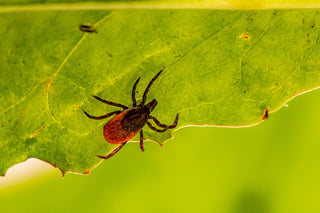
Lyme disease gets a lot of attention, but it isn’t the only illness ticks can transmit. Here’s what to know about anaplasmosis and ehrlichiosis, including their symptoms, how they differ...
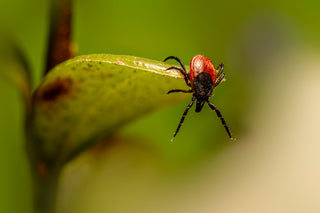
Finding a tick can leave you wondering what symptoms to watch for next. Learn the early signs of Lyme disease, when symptoms may appear and when to contact a healthcare...
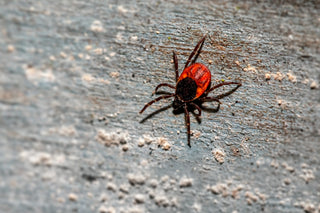
Lyme disease can cause symptoms that resemble other illnesses, making it difficult to recognize. Learn why it’s called “the great imitator” and what signs to watch for.

Lyme disease can look different depending on how long the infection has been present. Here’s what to know about how signs and symptoms can change over time. When people picture...
The short answer is 36 to 48 hours. The longer answer is more useful — and it's the reason attachment time is the most important thing you can tell your...
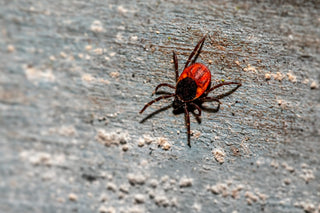
There is still no approved Lyme disease vaccine for humans — but for the first time in over two decades, there's real momentum toward one. On March 23, 2026, Pfizer...


