
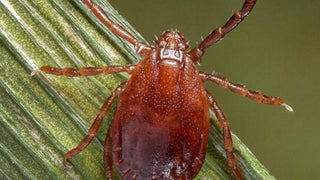
The Asian longhorned tick (Haemaphysalis longicornis) continues to spread across the U.S., and livestock producers are taking notice. Beyond being a nuisance, this invasive species poses a serious health and economic concern — particularly because of its link to Theileria orientalis, a parasite that can cause illness in cattle.

Incidence vs. Exposure
Finding a few ticks on your animals doesn’t always mean infection, but exposure risk is increasing. The Asian longhorned tick can reproduce without mating, allowing populations to surge quickly. This means even small numbers can turn into thousands by season’s end.
Theileria infections are still uncommon in the U.S., but they’ve been confirmed in herds across several eastern states. Infected cattle may show signs of fever, weakness, anemia, or weight loss, especially during stressful periods like calving or transport.
Interpreting Seasonality
Unlike many native ticks, the Asian longhorned tick thrives across a longer active season. Mild winters and wet springs create conditions for year-round persistence in some regions. Producers should expect:
-
Spring peaks as overwintered adults become active
-
Summer hatchings that expand local populations
-
Fall activity during mild temperatures
In short — if the grass is green, there’s tick potential.

Building a Local Prevention Plan
Prevention starts with awareness and consistency. Work with your local extension or veterinarian to create a tailored strategy that includes:
✅ Routine herd inspections for ticks and signs of stress
✅ Pasture management, including regular mowing and brush control
✅ Quarantine protocols for new or returning animals
✅ Use of TiCK MiTT for quick, non-chemical removal of loose ticks before they attach


