
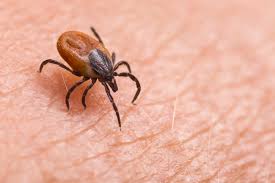
You do not need to avoid the outdoors to be tick-aware. A good family routine uses several layers: reduce exposure where you can, use appropriate repellents and clothing, check everyone after outdoor time, and know what to do if a tick is already attached.
Here are 10 practical, evidence-based habits to build into family outdoor life.
1. Know Where to Expect Ticks
Ticks live in grassy, brushy and wooded environments, but exposure can also happen in yards, parks and neighborhoods.
Teach the family that "tick habitat" does not only mean a deep forest. Yard work, dog walks, sports sidelines and backyard play can all involve outdoor exposure.
2. Use a Repellent Labeled for Ticks
When a repellent is appropriate, use an EPA-registered product that is labeled for tick protection and follow the product directions.
The EPA's repellent search tool allows you to filter products by pest and desired protection time.
3. Consider Treated Clothing and Gear
The CDC includes products containing 0.5% permethrin as an option for treating appropriate boots, clothing and camping gear. Follow the label and do not apply clothing-treatment products directly to skin unless the product specifically directs that use.
4. Stay on Clear Paths When Possible
Ticks often wait on grass and brush for a host to pass. Staying near the center of established trails can reduce contact with vegetation along the edges.
5. Make the Tick Check Part of Coming Home
After outdoor time, check clothing, exposed skin and then the whole body.
For a complete routine for adults, kids, pets and clothing, use our guide: How to Check for Ticks After Being Outside.
TiCK MiTT can be used during this CHECK stage to help catch loose, crawling ticks on dry skin, clothing and pet fur. It is not designed for embedded ticks.
6. Shower Soon After Outdoor Activity
The CDC recommends showering within two hours of coming indoors. Showering may help wash away unattached ticks and creates another opportunity to inspect the body.
7. Check Clothing, Then Use the Dryer
For dry clothing, CDC guidance recommends high heat in the dryer for 10 minutes after coming indoors. Damp clothing may need additional time.
8. Check Pets and Outdoor Gear
Pets, coats, backpacks and daypacks can all bring crawling ticks inside.
The CDC recommends checking pets daily if they go outdoors. Ask your veterinarian about an appropriate tick-prevention product for your dog.
9. Make High-Use Yard Areas Less Tick-Friendly
Reduce leaf litter, mow grass, clear tall brush, increase sunlight where practical and create separation between frequently used lawn areas and wooded edges.
If you have young children, place play equipment away from brushy or wooded borders when possible.
10. Know What to Do if a Tick Is Attached
An attached tick should be removed promptly with an appropriate removal method.
For people, the CDC recommends fine-tipped tweezers placed close to the skin and a steady, even upward pull. Do not use petroleum jelly, nail polish or heat to make a tick detach.
TiCK SiDEKiCK is the TiCK MiTT tool designed for the REMOVE stage. See How to Use TiCK SiDEKiCK for the full guide.
A Better Family Framework: Check, Remove,ss Follow Up
Rather than promising a "tick-free" life, teach a repeatable response:
- CHECK: people, kids, pets, clothing and gear for loose/crawling ticks.
- REMOVE: attached ticks promptly with the right tool.
- FOLLOW UP: clean the area and contact a healthcare professional or veterinarian when symptoms, irritation or other concerns arise.
That keeps the focus where it belongs: practical habits that make outdoor time easier to manage.
Frequently Asked Questions
What is the most important thing to do after outdoor time?
Perform a thorough tick check, including clothing, people, pets and gear. A post-outdoor routine helps you find both loose and attached ticks.
Can ticks be in a backyard?
Yes. Ticks can be encountered in yards and neighborhoods, especially around leaf litter, brush and wooded edges.
Does TiCK MiTT prevent tick bites?
TiCK MiTT is a physical tick-checking tool. It is designed to catch loose, crawling ticks during a post- outdoor check; it is not a repellent and does not replace other prevention measures.
What if I find an attached tick?
Remove it promptly with an appropriate method. If you develop concerning symptoms after a tick bite or exposure, contact a healthcare professional.
Sources and Further Reading
- CDC: Preventing Tick Bites
- CDC: Preventing Lyme Disease
- EPA: Find the Repellent That Is Right for You
- CDC: Preventing Ticks on Pets
*This article is for general educational purposes and is not a substitute for medical or veterinary advice.*


