

Finding a tick attached to your skin can leave you with a lot of questions, even after you get it off. Should you save the tick? Can you have it...
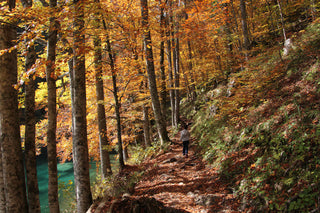
From lakeside loops to waterfall trails, these eight fall hikes across the U.S. offer colorful views without an all-day trek. Each one includes a TiCK TiP to help you stay...

You found a tick — or you’re feeling sick after a possible tick bite. Do you call your regular doctor, visit urgent care or seek more immediate help? Here’s what...

If you’re talking to a healthcare provider after a tick bite, a few details can help give them a clearer picture of what happened. Here’s what information to keep track...
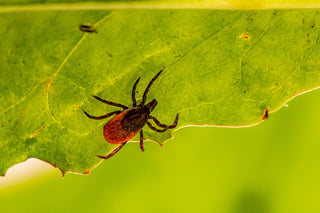
Lyme disease gets a lot of attention, but it isn’t the only illness ticks can transmit. Here’s what to know about anaplasmosis and ehrlichiosis, including their symptoms, how they differ...

Learn how to check for ticks on yourself, kids and pets after outdoor activities, where ticks commonly hide, and what to do if you find one.
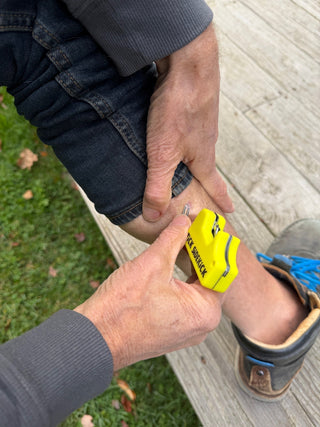
If a tick is attached, remove it as soon as possible. The CDC recommends using fine-tipped tweezers to grasp an attached tick as close to the skin as possible, then...
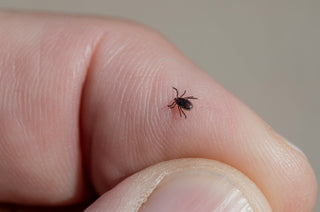
Many people assume that once temperatures drop, ticks disappear. Unfortunately, experts say that’s not true. In reality, relying on cold weather for protection can increase your risk of tick exposure.

The short answer: tick season doesn’t end with summer. If it’s ~40°F or warmer, ticks can stay active, especially in leaf litter and brush. Keep checks and quick brush-offs part...

At-a-glance: Schoolyards, sports fields, and after-school hangouts can expose kids to ticks. Do a fast brush-down before they come inside, check common “tick hot spots,” and remove attached ticks with...

NYC's Tick Season Is Heating Up—But You Don’t Have to Stay Indoors Every summer, the same headline reappears across national media:"How Bad Are Ticks This Summer? Don’t Ask." The truth?...

The nostalgic tune of the neighborhood ice cream truck, the familiar flip-flop shuffle of your family racing to be first in line, sun-kissed skin and freckled faces, and the unmistakable...


