
The short answer is 36 to 48 hours. The longer answer is more useful — and it's the reason attachment time is the most important thing you can tell your...
There is still no approved Lyme disease vaccine for humans — but for the first time in over two decades, there's real momentum toward one. On March 23, 2026, Pfizer...
A calm, hour-by-hour plan for the first 72 hours after a tick bite — because this is the window that matters most.

For decades, Lyme disease testing has had the same fundamental limitation: it doesn't look for the bacteria itself. Standard tests measure antibodies — your immune system's response to infection —...
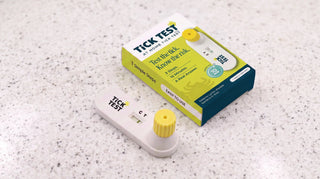
The honest answer to the question everyone asks after pulling a tick off, including the part most articles skip.

After a tick bite, the instinct is usually to get rid of the tick itself as fast as possible – and understandably so – but that leaves an open question:...
For parents, tick season brings a particular kind of anxiety. Children spend more time low to the ground, in exactly the vegetation where ticks wait. They're less likely to notice...

If you live in Michigan and spend any time outdoors — hiking, letting your kids play in the backyard, or walking your dog — the numbers out of the state...
Many people assume that once temperatures drop, ticks disappear. Unfortunately, experts say that’s not true. In reality, relying on cold weather for protection can increase your risk of tick exposure.

Short answer: in many regions, yes. Warmer winters, earlier springs, and longer humid periods keep ticks active well beyond summer—turning “tick season” into a near year-round concern. Why tick season...

The short answer: tick season doesn’t end with summer. If it’s ~40°F or warmer, ticks can stay active, especially in leaf litter and brush. Keep checks and quick brush-offs part...

NYC's Tick Season Is Heating Up—But You Don’t Have to Stay Indoors Every summer, the same headline reappears across national media:"How Bad Are Ticks This Summer? Don’t Ask." The truth?...
- 1
- 2


