
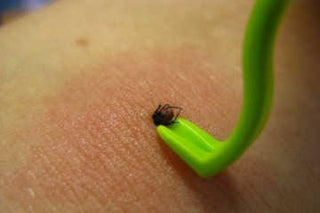
One of the most common tick removal myths is that twisting a tick helps it come out more easily. In reality, twisting a tick during removal can increase the risk...

Spring is the season of getting outside again. Longer days mean more walks, hikes, park afternoons, and weekends spent gardening or exploring trails. As routines shift outdoors, it’s easy to...
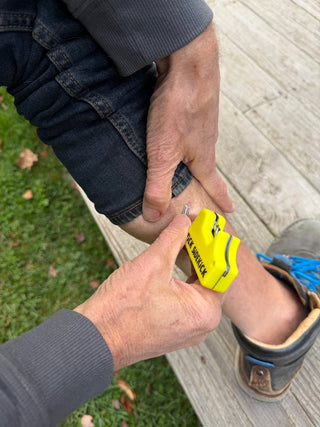
If a tick is attached, remove it as soon as possible. The CDC recommends using fine-tipped tweezers to grasp an attached tick as close to the skin as possible, then...

Tick prevention can reduce risk, but no method works perfectly. Even with repellents, treated clothing, or pet preventatives, ticks can still attach. Understanding both tick prevention methods and how to...

Lyme disease is one of the most misunderstood tick-borne illnesses in the United States. Misinformation — especially online — can lead people to delay care, dismiss symptoms, or assume they’re...
Alpha-Gal Syndrome: The Tick-Borne Allergy More Americans Are Developing Many people think the biggest risk from a tick bite is Lyme disease. But experts warn that ticks can also cause...

Ticks Aren’t Just Seasonal: Where They’re Active Year-Round Many people believe ticks are only a concern in spring and summer. However, experts say that in many parts of the United...
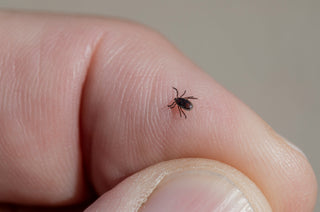
Many people assume that once temperatures drop, ticks disappear. Unfortunately, experts say that’s not true. In reality, relying on cold weather for protection can increase your risk of tick exposure.
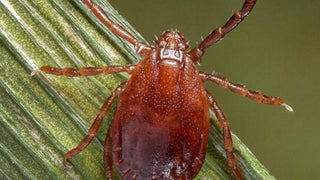
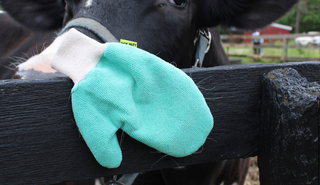
The Asian longhorned tick (Haemaphysalis longicornis) continues to spread across the U.S., and livestock producers are taking notice. Beyond being a nuisance, this invasive species poses a serious health and...

TL;DR: Ticks don’t stop at city limits. Whether it’s a weekend park trip or a walk around the block, staying tick-aware — and keeping a TiCK MiTT handy — makes...
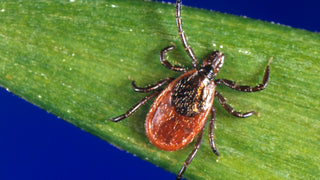
You’ve probably heard of Lyme disease — but there’s another tick-borne illness quietly making its way into the spotlight: Powassan virus. It’s rare, but it’s serious, and unlike Lyme, there’s...
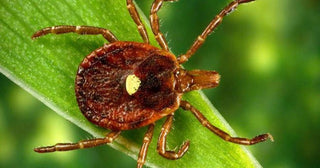
Most people have heard that tick bites can trigger a red-meat allergy — but Alpha-Gal Syndrome (AGS) goes deeper than that. Beyond burgers and bacon, Alpha-Gal can show up in...


